
Tag: personal-growth
-
Apparently, My Nervous System Has a Type.
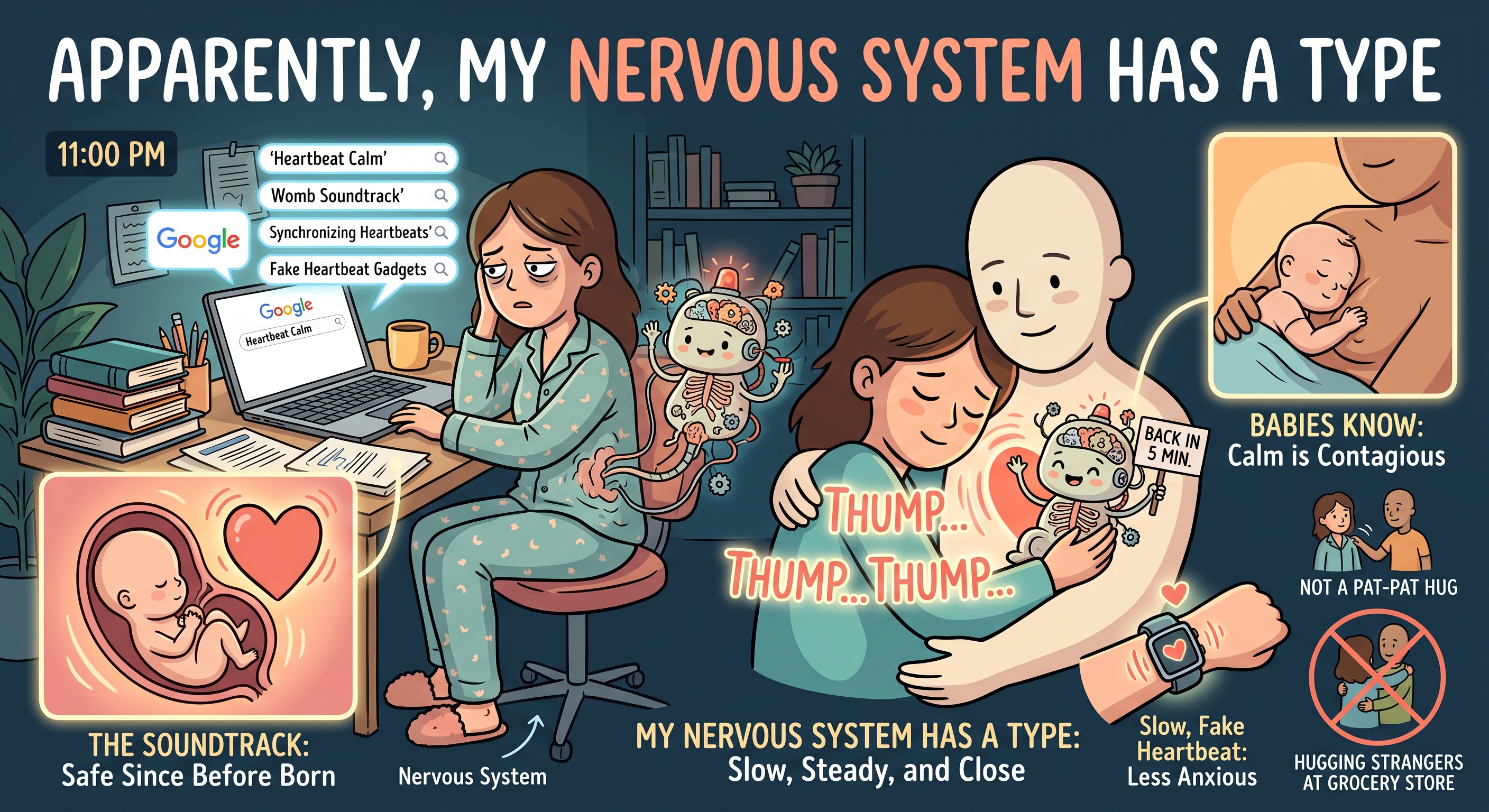
Fair warning: this post started as a feeling and turned into me going down a rabbit hole at eleven o’clock at night, because that is simply how my brain handles feelings. Other people journal. I google things until my eyes hurt. Both are valid coping strategies. Here is the feeling. Most of us, if we…
-
One Shot
There is an opening question in Eminem’s Lose Yourself that has been playing in my head on a loop since last night. The one about whether you would seize your one shot or let it slip. If you know the song, you know the lines. If you don’t, look them up. They are worth the…
-
The Conversation I Was Never Going to Have
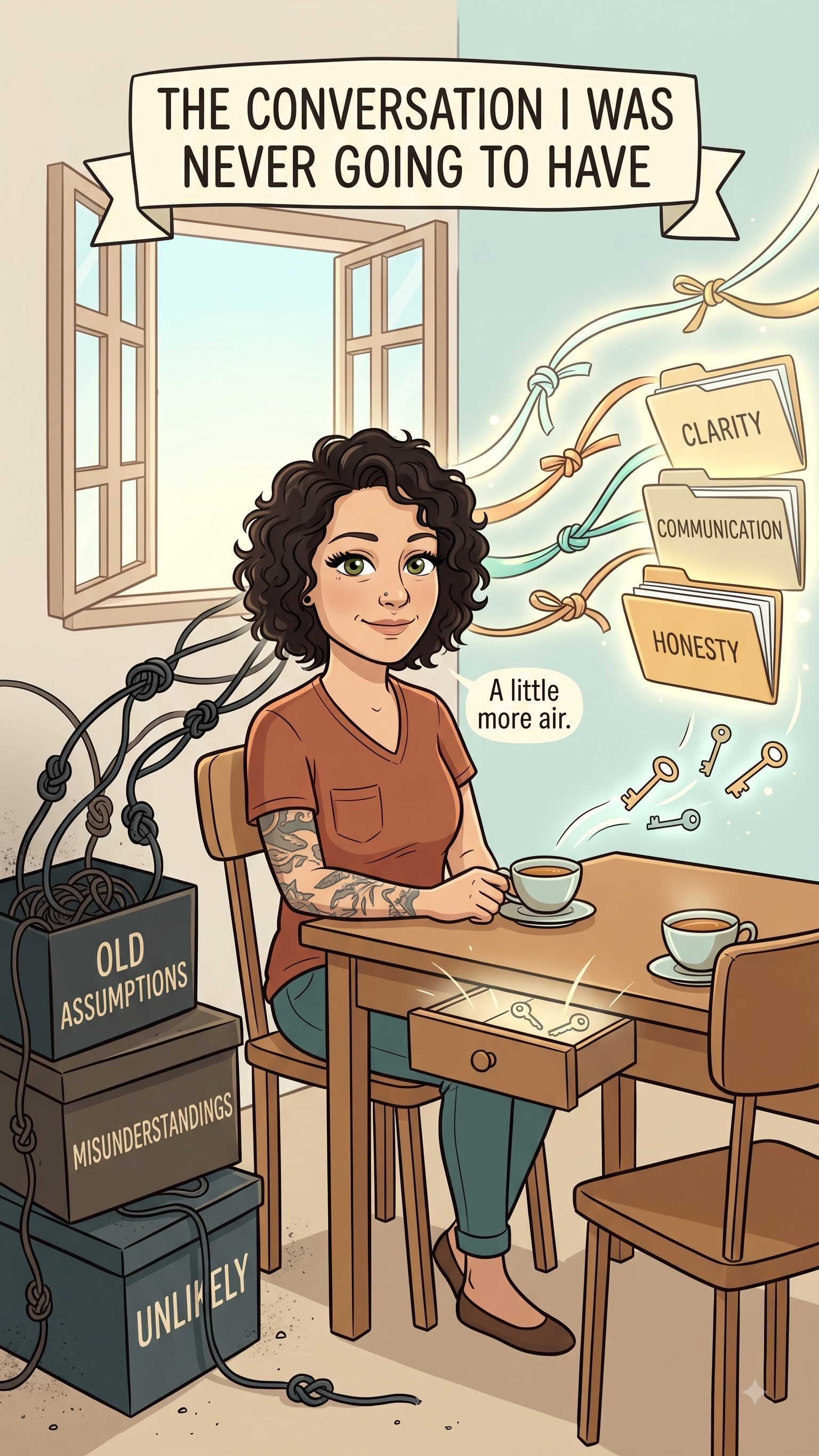
Some days you wake up expecting nothing in particular. You get out of bed. You drink your tea. You do the ordinary things a person does at the start of a Tuesday. And then, at some point during the day, life reaches across the table, taps you gently on the shoulder, and hands you something…
-
You Are Supposed to Feel Bad Sometimes

I have spent a lot of time on social media lately, which is its own confession, and I have come to a conclusion. Most of the problems I see people creating for themselves — the messy exits, the unnecessary lies, the destroyed relationships, the endless drama, the same mistakes made over and over in slightly…
-
I Have Decided I Need a Clone
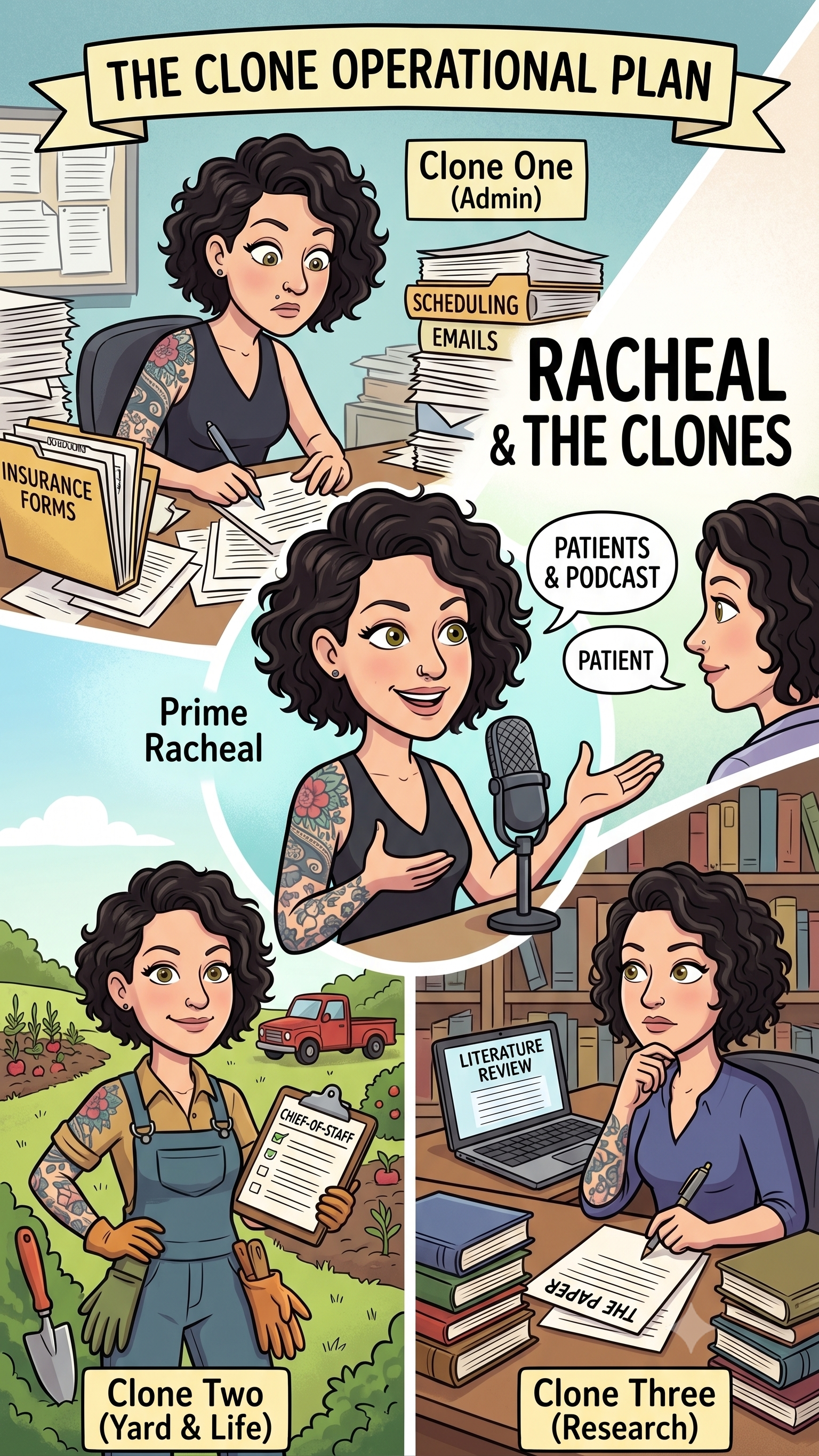
I have been giving this a lot of thought, and I have concluded that the only reasonable path forward is a clone. Possibly three. Here is where I’ve landed on the math. There are things I want to do, things I have to do, and things I need to do, and these are — I…
-
I Am Not Nice

I am not nice. I have never been described as nice by anyone who has actually known me. Cool, funny, direct, intense, a lot — sure. I have heard all of these. I have heard several of them in the same sentence. But nice has never been on the list, and I have made my…
-
You’re Special
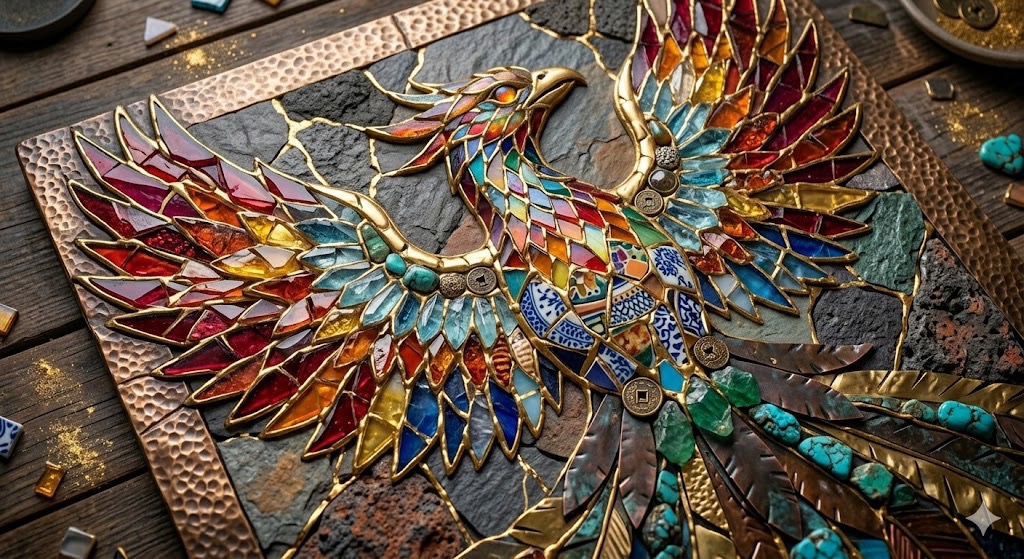
A running list of things people have said about me that I do not understand: You’re special. Your aura is blue. No wait, indigo. I prayed for you. God sent you to me. You’re unique. You aren’t like anyone I’ve ever met. You have the soul of an angel. You are an angel. You’re one…
-
Use Your Words
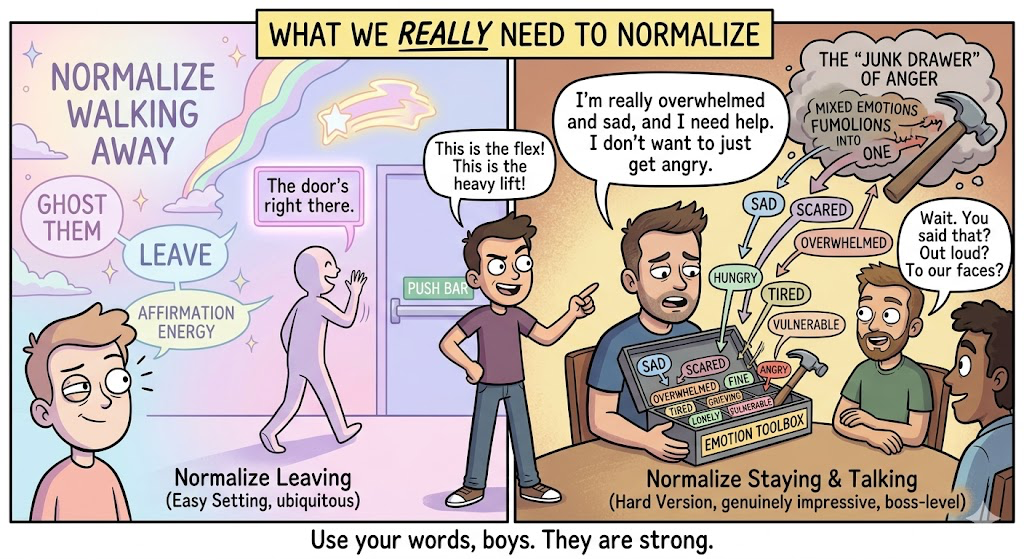
I need to talk about a specific genre of post, because it is everywhere and it is starting to give me a tic. You know the one. Soft background. Nice font. Gentle little affirmation energy. *Normalize walking away. Normalize going no contact. Normalize never speaking to that person again. Normalize leaving.* And every single time,…
-
Out of Order
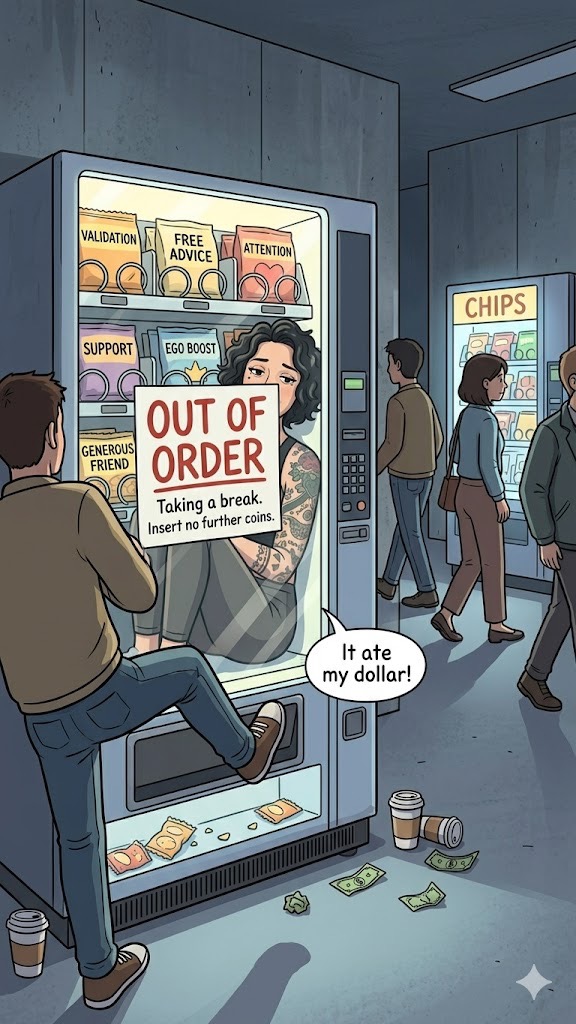
Y’all. I’ve figured out what I am to certain people in my life, and it’s a vending machine. Not metaphorically. Well — yes, metaphorically. But also kind of literally, in spirit. I am a brightly lit box behind glass, and people come to me when they want a thing. The thing is compliments, attention, emotional…
-
Do Not Tap the Glass
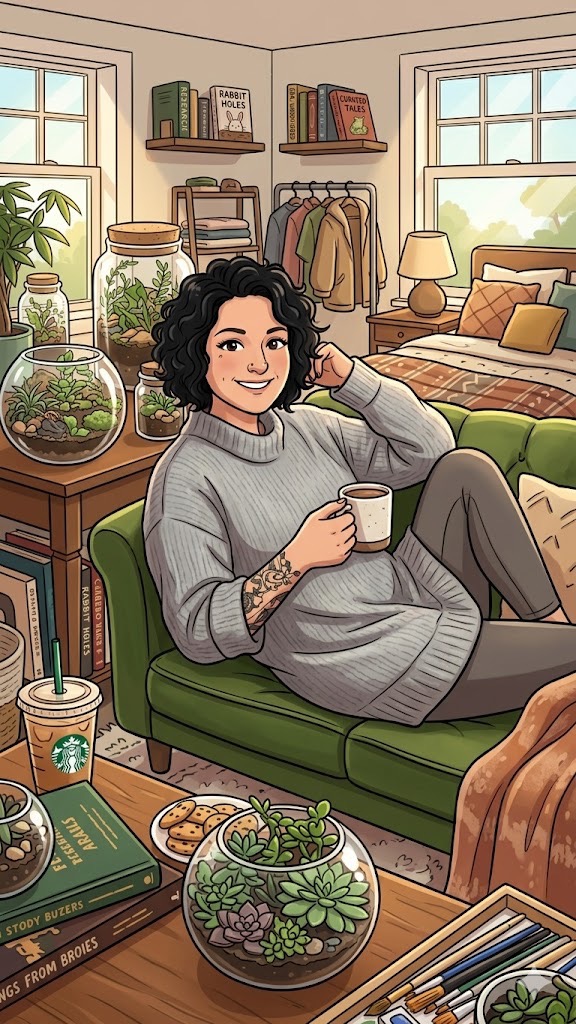
Does anyone else just want to stay in bed for a weekend? A week? A small, undefined era? Sometimes it just feels good to be alone in my space with all my favorite things, enjoying my own company. In my terrarium. As I call it. Because what I am, fundamentally, is a small contented creature…